Free speech won't defend itself
Free speech needs an ally, and the left can fill that role.

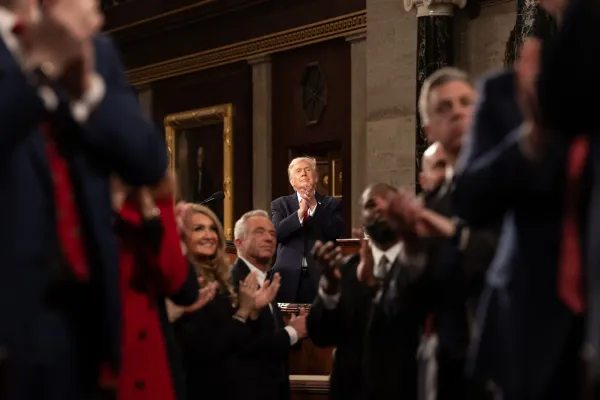
Donald Trump loves to talk about his support for free speech, and he claims he's the person who's going to save it, but anyone who's paying attention can see that he's no fan of the First Amendment. Just recently, Trump published a list of his enemies in the media on the White House website.
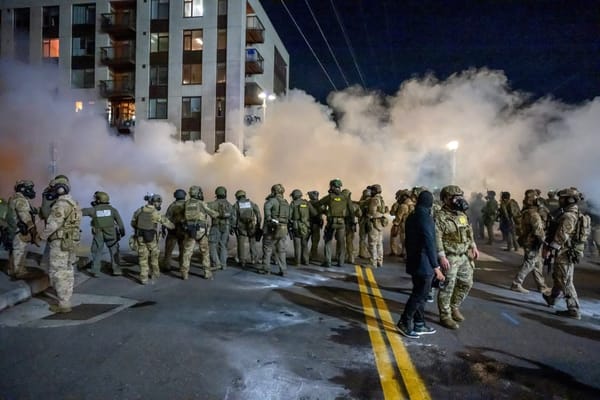
He's prosecuting his critics. He's detained activists, deported them and threatened to invoke the Insurrection Act to crush protests. He wants to pull news outlets and late-night talk show hosts off the air. He often says that criticizing him too much should be illegal. He's targeting law firms and universities he doesn't like. I could go on.
Considering Trump and his supporters aren't interested in defending the First Amendment, I think it's time for the left to more loudly defend it and take some ownership of the issue. The right has dominated the free speech debate for too long, and this could be an opportunity for the left.
"This has been, by far, the most anti-free speech administration in my lifetime," Ben Wizner, deputy legal director at the ACLU and director of its Center for Democracy, tells me. "These are things that we haven't seen since at least the McCarthy era, and maybe going further back to the Palmer Raids of the 1920s."
Wizner says it's been "incredibly unhelpful" that the free speech debate has become "right-coded" in recent years. He says he doesn't want to see it become "left-coded," necessarily, but he welcomes the idea of more people on the left standing up for free speech. There's a long history of people on the left doing that.
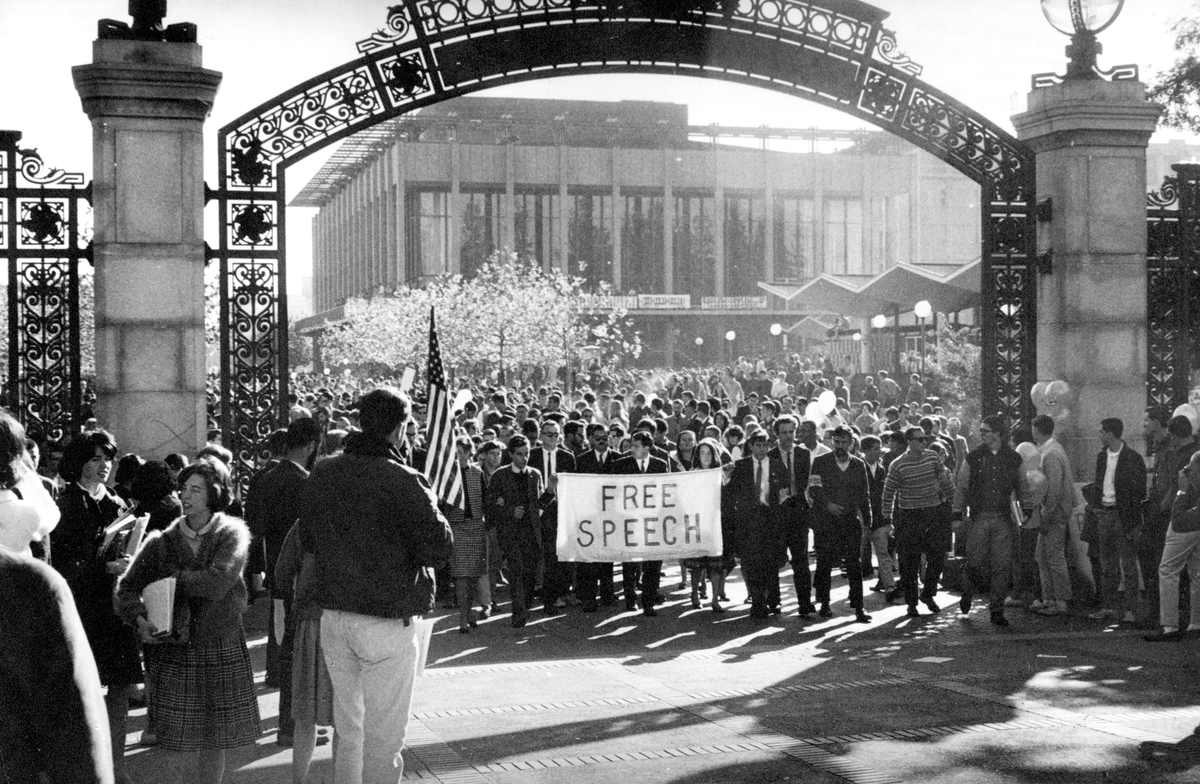
"All movements for social change have depended on free speech rights," Wizner says. "You can go back to the Civil Rights Movement, even before the Berkeley Free Speech Movement in the 1960s, and look at quotes from Martin Luther King Jr. or John Lewis—who said that without the protections of the First Amendment, the Civil Rights Movement would have died in its infancy."
One of the main problems with free speech is that people seem to only want to defend the speech they like. Wizner says if you're going to truly embrace the First Amendment, you must defend the speech you do not like.
"I think the only measure of support for the First Amendment is your willingness to stand up and defend speech that you find repugnant," Wizner says.
Trump claims to support free speech, but he wants to criminalize speech he doesn't like. Elon Musk has called himself a "free speech absolutist," but he regularly says things that show he's not. Recently, the tech billionaire said that you shouldn't be allowed to "falsely" call people fascists or Nazis. You can't get much further away from supporting the First Amendment than that.
"Calling someone a racist or a fascist is a matter of opinion. It's not a provable or disprovable fact," Wizner says. "No one actually thinks that you're saying that Elon Musk is a member of the American Fascist Party... Mamdani is not going to sue Trump for calling him a communist, even though he is not a member of the Communist Party, because we all understand that this is part of political discourse. We have to give a wide berth to spicy political rhetoric."
 Thor Benson
As for how Democrats and those on the left could stand up for free speech, they can condemn those who threaten it and proudly proclaim their support for it. When it comes to legislation, Wizner says it's mostly about what you don't do.
"The First Amendment is a constraint on government, so you don't need to legislate First Amendment protections," Wizner says.
However, Democrats do need to make sure they're not supporting legislation that threatens free speech. The kinds of bills that do that these days usually revolve around policing content that's posted on the internet, such as the Kids Online Safety Act, which free speech defenders have roundly criticized. Democrats can't claim to support free speech if they're endorsing internet censorship.
I think voters will reward genuine defenders of free speech. Democrats are often painted as being out of touch with regular people and regular issues, and there's nothing more regular than the right to say what you want. People across the political spectrum want to hear a defense of that. If Democrats can point out that Republicans are threatening your ability to speak freely, and they can show that they truly want to protect it, then voters might embrace them a bit more.