How algorithms broke the news
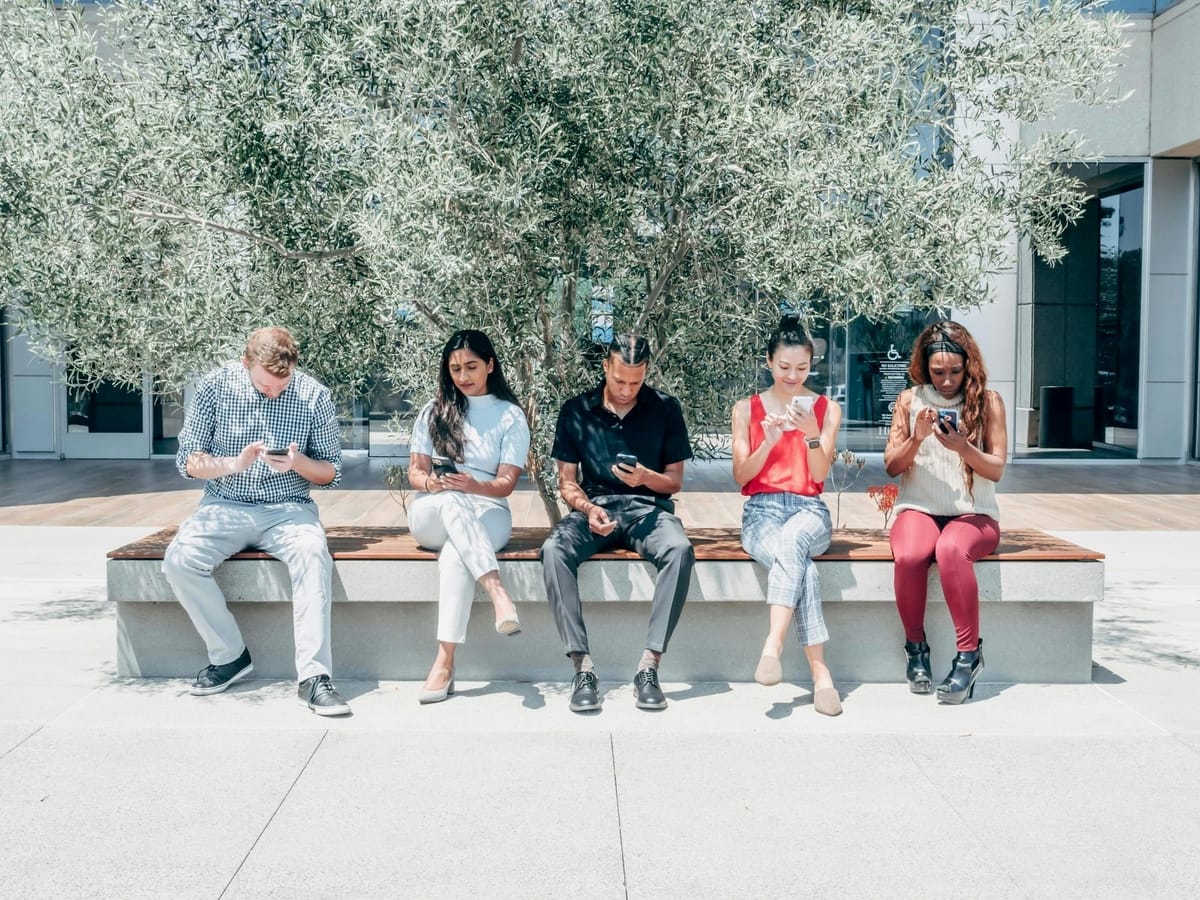
A lot of people are getting their news from social media these days. That's causing some problems.

Welcome to the Madness newsletter, where I write about how modern systems are shaping the world around us. If you’re not subscribed yet, join here. Free and paid options available.
As a journalist, I know my news habits are not the same as the average person's. I'm reading a lot more news than they are, and I tend to get my news from a list of sources I've compiled over a long career in journalism. In recent years, the news habits of the average person have changed substantially, and this change is leading to some serious problems.
More and more people are getting their news from influencers and other figures on social media who are clipping the news and presenting it from their point of view. If the social media creator in question is using good sources and presenting viewers with accurate information, that's fine. Unfortunately, that's often not the case.
Kat Tenbarge, an independent journalist who covers internet culture, politics and the media at her newsletter Spitfire News, has been closely following social media trends, influencers and the media industry for years.
Tenbarge tells me that younger people started going to social media for their news because they weren't finding it anywhere else, and then COVID disrupted the whole ecosystem.
"Back in the late 2010s, I started noticing that younger people, especially millennials and Gen Z, had already grown up in a news environment where the topics that they cared about the most were not necessarily being covered by traditional mainstream media sources," Tenbarge says.
Younger media consumers wanted more information on internet culture and things like that, and they were only finding it on platforms like YouTube. The mainstream outlets weren't tuned into what was going on in those spaces.
"When the pandemic hit, people just rapidly accelerated how much time they were spending on social media," Tenbarge says. "It kind of changed everything in this news ecosystem, which was originally built up around strictly online niche interests, as it began to cover every topic under the sun—politics, breaking news and entertainment news. Suddenly, the balance of power completely switched."
People started getting their news from this "very flimsy, very disconnected, sprawling influencer ecosystem," Tenbarge says, and that's what we're seeing today. According to recent polling, over half of Americans are getting their news from social media.
"We see that over half of Americans surveyed from all age groups and all demographics report getting at least some of their news from social media," Tenbarge says. "But based on what I've observed, I think that actually kind of underestimates the scale of how people are getting their information today."
Tenbarge says when you look at people's social media feeds, it's oftentimes primarily news and information about public figures. She says the Instagram infographic space is "huge," and short-form and long-form videos are also very popular.
"The danger of it is you can see people go down pathways of extremism and disinformation," Tenbarge says. "I think a lot of [social media creators] are trying their best, whether they come from a traditional journalism background or not. But the reality is the algorithm will amplify whatever is getting the most engagement, regardless of whether it is rooted in fact or reality."
So why are people turning to social media instead of traditional news? Tenbarge thinks it's because social media feels more personal and genuine. Consumers are looking for connection.
"I think that trust really comes from likability, which is kind of an amorphous concept, and you see it play out in really interesting ways," Tenbarge says. "They are drawn to another person on the screen, versus a big organization like the AP or the New York Times."
 Thor Benson
The digital age we are in has caused a lot of people to feel disconnected and isolated, so it's no surprise that they're hungry for whatever form of community they can find. That means they're more likely to go to a person they trust for their news than a massive, faceless organization.
"People want to cling to the facsimile of human connection," Tenbarge says. "When you think about the history of mainstream news in the U.S. and the role that legendary broadcasters have had, it's not that different from how people would turn on CBS or NBC at the end of the day and see a newscaster they recognized."
Obviously, generative AI is throwing gasoline on the disinformation problem we've been dealing with for years now, and that's making it harder for people to know what they can trust when they're scrolling through their social media feeds. Tenbarge says she believes this is benefiting authoritarians.
"It's no surprise to me that the people at the top of the AI industry are closely aligned with not only Donald Trump's administration, but also authoritarian movements around the globe, because AI at scale is a tool of disillusionment and disempowerment," Tenbarge says.
AI is designed to ensure people don't know what's real, Tenbarge says, and that makes it helpful to anyone hoping to spread propaganda.
You're currently reading a newsletter written by an established journalist, and Tenbarge says we're going to see more of those as the media industry changes due to these shifts in how people consume their news. We're still in a transition period when it comes to that, Tenbarge says.
"The old world is dying, and the new world has yet to be born," Tenbarge says. "That's exactly where we're at right now with the media industry."
Tenbarge thinks we're going to see "massive growth in this independent space" as journalists realize that's where the audience is and that they can be their full selves in those spaces, rather than having to follow the rules of billionaire news moguls. Tenbarge says she hopes, with time, people will find their way to trusted, verified news within this ecosystem that's still evolving.