We're all Soviets now
The concept of "hypernormalization" might help explain the state we're in at the moment.

I was only a child when the Soviet Union fell, so I don't remember it happening, but I've read quite a bit about that era. As someone who's been closely studying authoritarianism for years, Russia has always been on my radar. The more I think about it these days, the more it feels like we're experiencing something similar to the final years of the USSR.
In his 2005 book "Everything Was Forever, Until It Was No More," Russian-American anthropologist Alexei Yurchak described what he called "hypernormalization." This is the idea that even when everyone can see that everything is falling apart, they often still behave relatively normally. He wrote about this happening toward the end of the Soviet Union.
People go about their lives. There was a persistent feeling that the Soviet Union was in shambles, but people acted as if it wasn't. Yurchak explains that many were surprised when it actually crumbled.
People didn't necessarily believe the official stories that the Communist Party was putting out, but they continued to participate in the system because it was the only political reality they could imagine. There wasn't a visible alternative. They got used to the repetitive, almost banal daily existence of living under an authoritarian state.
Even though they were suffering personally, as money and food became scarce, they adapted to the situation they were in. There was anger, of course, but there was also complacency. Did they believe what the party was telling them about the state of things? Not necessarily. Did it matter? Not really.
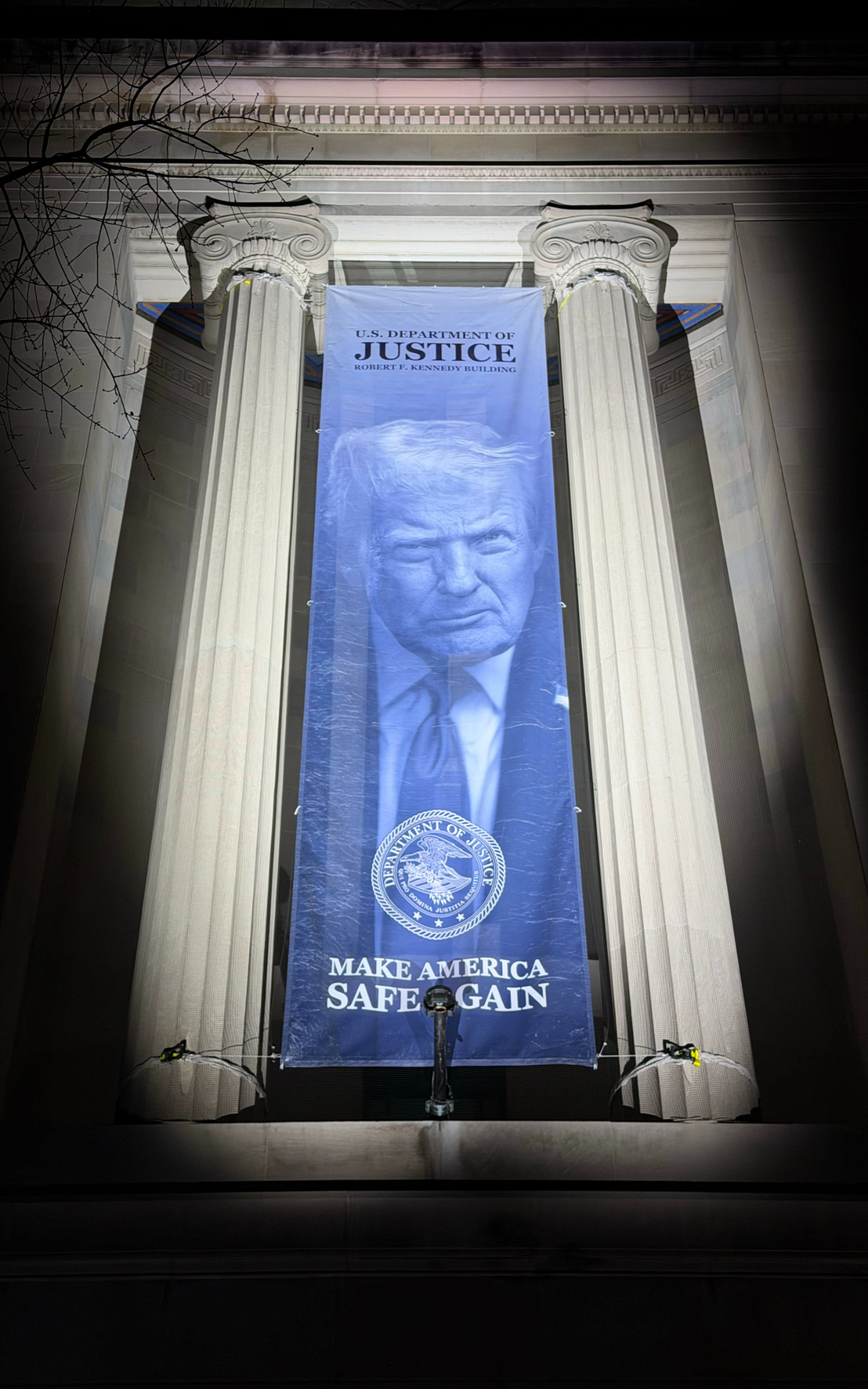
The propaganda we receive from the Trump administration ranges from bizarre to offensive, but it has certainly become normalized. We can't eat the lettuce anymore, and that's just one of many foodborne illness problems at the moment. Measles is back. Inflation is still up. Gas prices are high. This war seems like it'll never end. Lots of things are going wrong these days, but the administration pretends as if everything's better than ever.
 Thor Benson
Beyond all of that, things just feel off. Everything feels dystopian and unpleasant. But we don't know what to do about all of these things, so we're going about our lives. We're all overwhelmed. We scroll on our phones and order the next thing that might provide us with a little dopamine in this dreary reality we're inhabiting.
The question that's been rattling around in my mind lately is whether this is sustainable. Can we just wait out the rest of Trump's term and unload these problems onto the next president and hope everything will turn out okay? Are we doing enough? Are we heading for disaster?
Perhaps the lesson of hypernormalization is that a system can become deeply dysfunctional without the people being able to imagine its end, so they forge ahead. You can see the cracks for a long time and still be completely surprised when the dam eventually bursts. That could mean the MAGA movement falls apart and becomes ineffective. That could mean something more worrisome.
For now, I continue to recommend getting involved in your community and doing what you can to feel like you're effecting some change. Get out of town for a minute, too, if you can. By the time this publishes, I'll be on a trip to Seattle and Vancouver, B.C. I'll let you know if anything interesting happens.
There's a new way to support my newsletter and video work! If you want to leave a tip or start contributing monthly, you can now do that via my new Ko-fi page.